


Feelings and competence in the game of poker
As we have discussed earlier, there are four learning phases to master any skill: Unconscious Incompetence Conscious Incompetence Conscious Competence Unconscious Competence Let's analyze…

As we have discussed earlier, there are four learning phases to master any skill: Unconscious Incompetence Conscious Incompetence Conscious Competence Unconscious Competence Let's analyze…

So far, we have examined many learning mechanisms, but if we want to fully understand their significance in this game, we need to discuss the…
Our brain structure has certain features that are deeply ingrained. One of them is context-dependent memory. Context-dependent memory means that what is learned in a…

Another well-known feedback error is hero calls. Remember the last time you made such a call with ace high in a big pot. If you…
Article in preparation

The cognitive bias of loss aversion suggests that people are inherently irrational when taking risks. They overvalue avoiding losses and undervalue potential gains. For example:…
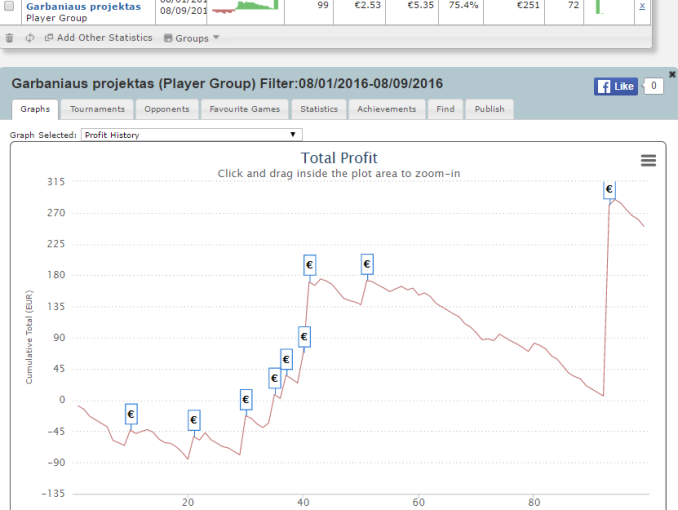
Hello, I want to apologize to everyone following my challenge for being one day late in uploading the report. Yesterday, I spent more…

We have already discussed things like isolated exercises and general game rehearsal, which can make our game more conscious. However, engaging in poker is generally…

1. In the early stages of the tournament, it is best to just call with small and medium pairs. It is very difficult to…
The rule says: "To achieve mastery, you need 10,000 hours of deliberate play." What exactly is deliberate play? Erikson stated that it is not enough…


We've added you to our mailing list.